Stay Connected in Japan from Arrival to Departure
Read more
The first challenge in Japan usually isn't the language or the train system. It's getting online. A surprising number of travel decisions now depend on having internet access.
Many first-time visitors even ask the same question: Do I need an eSIM for Japan? The answer often depends on how much they rely on maps, translation apps, and mobile data during the trip.
Finding the right train platform, checking whether a restaurant is still open, translating a sign, or figuring out which station exit to take all become much easier with mobile data.
Years ago, many visitors picked up a local SIM card after arriving. Others rented pocket WiFi devices and carried them throughout the trip. An eSIM for Japan has gradually become a popular alternative because it removes an extra step from the process.
The setup can be completed before departure, which means internet access is already in place when the trip begins. For travelers planning a trip to Japan, that small detail often proves more useful than expected.
How to Buy and Activate Your Japan eSIM
Read more
Choosing a Japan eSIM usually starts with a simple question: how much mobile data will actually be needed during the trip? Someone spending three days in Tokyo may have very different requirements than a traveler planning to visit Tokyo, Kyoto, and Osaka over two weeks. Looking at the itinerary first often makes the decision easier.
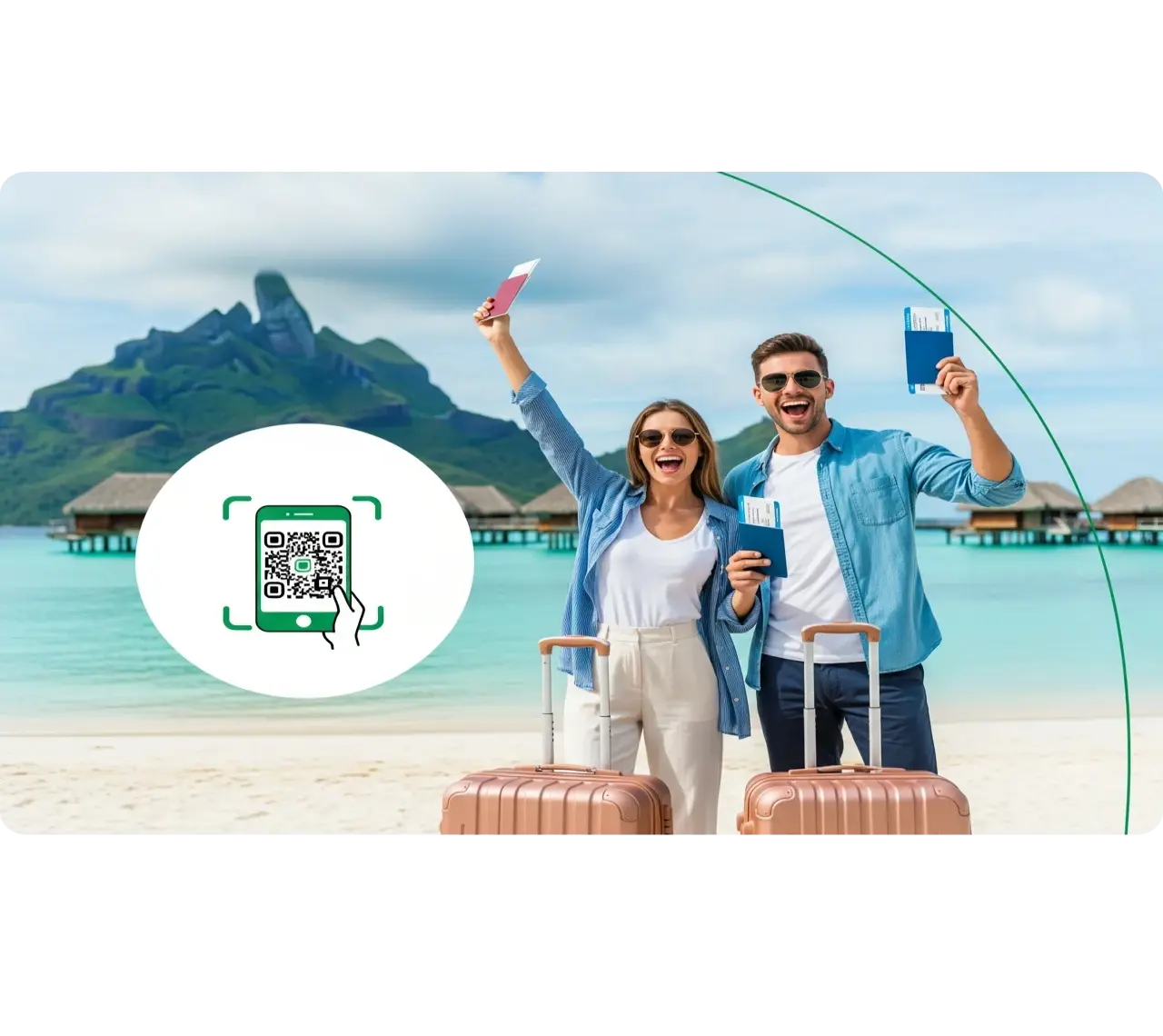
After selecting a plan, the installation details are normally delivered digitally. Most compatible smartphones allow the eSIM to be added by scanning a QR code, a process that typically takes only a few moments.
Many travelers choose to set everything up before the trip begins. After a long journey, dealing with mobile settings is rarely at the top of anyone's list.
Having internet access ready from the start can make simple things easier, whether that's checking a train schedule, finding a hotel address, or translating a menu. Before purchasing an eSIM for international travel, it's a good idea to confirm that the phone is compatible and that the plan covers the places being visited.
Why Choose Our eSIM for Japan
Read more
Ask ten people what they used mobile data for in Japan, and the answers probably won't be the same. One traveler spends the day checking train times and restaurant reviews.
Another uses translation apps every few minutes. Someone else barely touches their phone except to send a few messages and look up directions. That's why a single data package doesn't make sense for every trip.
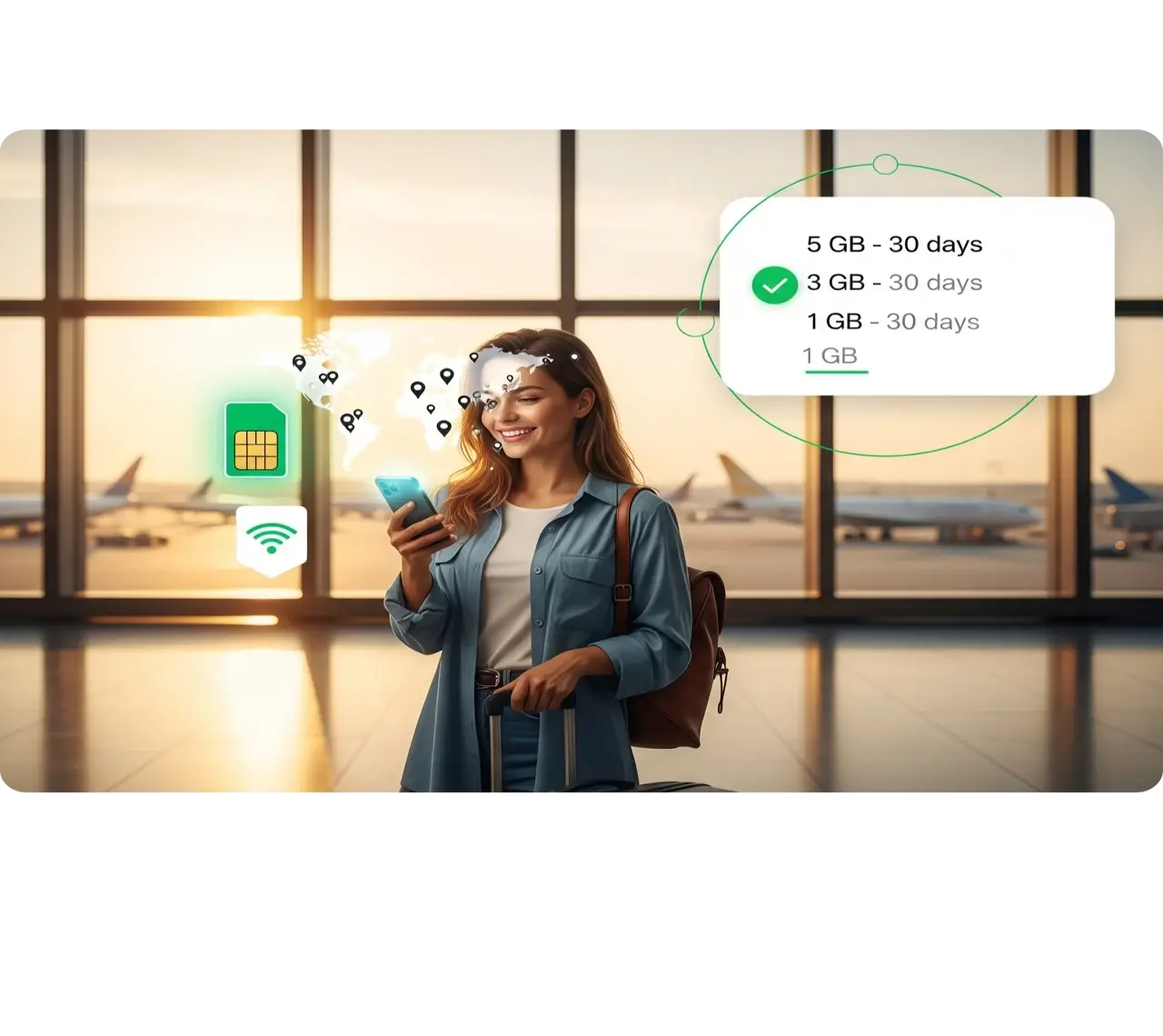
Our Japan eSIM plans are available in different sizes, allowing travelers to choose something that fits the way they actually use their phones. A short visit to Tokyo, a two-week holiday across several cities, and a business trip rarely come with the same data requirements.
That variety is one reason many travelers prefer having several plan options to choose from rather than a single package.
Different trip lengths, data habits, and travel styles often call for different amounts of mobile data, which is why Japan eSIM plans are typically available in more than one size.
| Feature | Why Travelers Find It Useful |
|---|---|
| Digital Delivery | Installation details are delivered online, so setup can be completed before departure. |
| QR Code Setup | Most compatible smartphones can add the eSIM by scanning a QR code in just a few moments. |
| Different Plan Sizes | Useful for different trip lengths, from a short Tokyo visit to a longer multi-city journey. |
| No Extra Device | Travelers can avoid carrying and charging a separate Pocket WiFi device. |
| Travel App Access | Helpful for maps, translation apps, train schedules, messaging, and restaurant searches. |
Ready to use mobile data in Japan without renting extra equipment? Explore our Japan eSIM plans and choose the option that matches your trip.
Japan eSIM Coverage
Read more
Most people booking a trip to Japan spend more time thinking about flights, hotels, and train passes than mobile networks.
The network behind an eSIM usually doesn't become part of the conversation until someone notices a weak signal or starts comparing plans.
Many Japan eSIM packages operate through well-known local carriers such as NTT Docomo, SoftBank, and KDDI au. The exact network depends on the plan selected.
Some travelers combine Japan with other destinations in Asia during the same trip. In those cases, it may also be worth looking at options such as an eSIM for Korea before making a final decision.
A traveler spending a week in Tokyo may never think about coverage at all. Someone planning to visit smaller cities, coastal areas, or several regions during the same trip may pay closer attention.
A quick look at the plan details can be helpful. The network behind an eSIM isn't always the same, and coverage may differ from one package to another.
Best eSIM for Japan: What to Look For
Read more
People don't always use their phones the same way when they travel.
For some, mobile data is mostly about directions. A few map searches, a couple of restaurant recommendations, maybe checking train times during the day. Others end up online far more often than expected.
A video call from a hotel room. Uploading photos every evening. Watching something during a long train ride between cities.
A quick search usually brings up the same handful of names. Airalo, Ubigi, Saily, and several others appear in almost every comparison. At first glance, many of the plans look nearly identical. The differences tend to become clearer after looking beyond the headline price and checking things like data limits, trip duration, and the destinations included in the package.
While the available plans may look similar at first, the details often tell a different story.
- 5G Availability: Not everyone notices the difference, but it can become obvious during busy days in Tokyo. Uploading photos from Shibuya, joining a video call from a café, or watching videos while traveling between cities tends to feel smoother on a faster network.
- Amount of Data Included: Data usage has a habit of growing during a trip. What starts as a few map searches can quickly turn into translation apps, restaurant recommendations, train schedules, and dozens of photos being shared with friends back home.
- Length of the Plan: A traveler spending a long weekend in Tokyo usually has different requirements from someone combining Tokyo, Kyoto, Osaka, and Hiroshima in a single journey. The plan should match the trip rather than the other way around.
- Supported Networks: Two plans may look almost identical until you check the network behind them. Coverage and performance can vary depending on which local carrier the service uses.
- Hotspot Sharing: This feature often matters more than people expect. A tablet, laptop, or travel companion may end up needing internet access at some point during the trip.
- Device Compatibility: Most travelers don't think about compatibility until the day before departure. A quick check beforehand is usually much easier than discovering a problem at the airport.
- Customer Support: Questions rarely appear when everything goes according to plan. They tend to show up late in the evening, after a long flight, or just before an important train journey, when responsive support becomes especially valuable.
eSIM vs Pocket WiFi in Japan
Read more
Pocket WiFi has been part of the Japan travel experience for years. Even today, it's common to see rental counters at airports and train stations.
Carrying a Pocket WiFi isn't a problem for everyone. Some travelers don't mind it at all. Others decide they'd rather keep everything on the phone already in their pocket and avoid charging one more device every night.
That's usually where the comparison starts to feel more practical than technical.
| Feature | Japan eSIM | Pocket WiFi |
|---|---|---|
| Setup | Installed digitally on a compatible phone | Requires collecting or receiving a separate device |
| Extra Device | No | Yes |
| Battery Management | Uses the phone only | Requires charging an additional device |
| Portability | Nothing extra to carry | Must be carried throughout the trip |
| Multiple Devices | Usually one device at a time | Can often connect several devices |
| Pickup Required | No | Often required |
| Risk of Loss | No extra equipment to lose | Device can be misplaced, forgotten, or returned late |
| Best For | Solo travelers, business trips, and light packing | Families, groups, or travelers using multiple devices |